














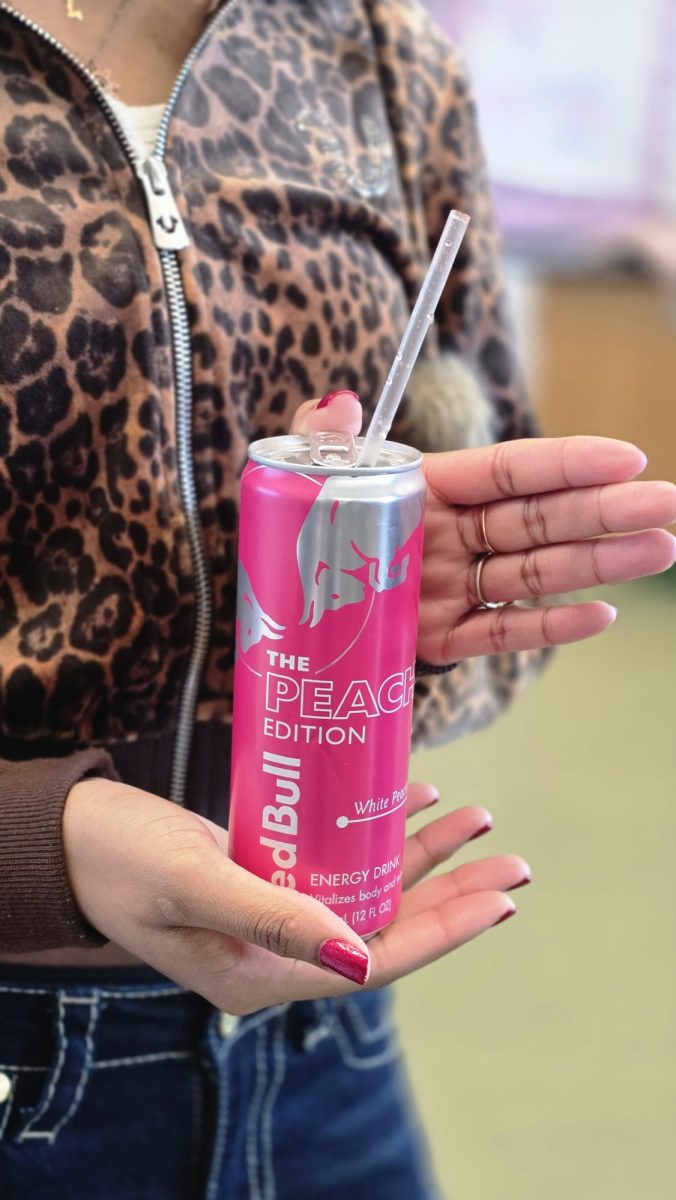
As assignments pile up and sleep schedules shrink, many students reach for energy drinks to keep themselves alert and productive. With bold claims of enhanced focus and stamina, these beverages seem like the perfect academic companion. Yet the temporary surge of energy they provide can come at a cost, contributing to anxiety, heart palpitations, poor sleep, and difficulty concentrating—issues that may ultimately undermine the very performance students hope to improve.
Senior Shalimar Cazales says she drinks about three energy drinks a day. “I have difficulty sleeping and the energy drinks give me that extra boost of energy,” she explained. Without them, she describes her day as “low energy from the beginning of the day to the end.” She notices that around 2 p.m. she begins to feel drowsy, though she says the drinks help her stay alert in the morning.
Another senior at AFYW, Jaden Watts, says he consumes “seven energy drinks a week at a minimum.” He attributes his use to insomnia and a need for caffeine. “I stay up very late since I have insomnia and other times I just need the caffeine,” he said. He sees the benefits as steady energy throughout the day and improved performance at the gym, noting that the drinks increase his “BPM,” or beats per minute.
For these students, the appeal is clear: energy drinks offer a fast, convenient way to combat fatigue and stay productive.
Anatomy and Physiology teacher Mr. Cody Gordon has a different outlook on this topic. “I don’t drink energy drinks, period,” he said.
While he believes they can be used occasionally, he suggests students consider alternatives. “With energy drinks, you’ll be more alert for a time, but then you’re going to crash,” he said. Instead, he encourages students to stay hydrated and, when appropriate, choose sports drinks in moderation for electrolytes and glucose.
“I think people should drink more sports drinks and not as much energy drinks,” Mr. Cody said, adding that students experiencing insomnia should focus on identifying and addressing the root causes of their low energy rather than masking it with caffeine.
As energy drink consumption continues to rise among teens nationwide, schools and families are increasingly faced with questions about health, balance, and moderation.